Mar 26 2008
The mtDNA and its role in Ancestry: Part I (mtDNA 101)
DNA Lesson Series: The mtDNA and its role in Ancestry
mtDNA Part I - mtDNA 101 <<– you are here
mtDNA Part II - Facts about mtDNA
mtDNA Part III - mtDNA Structure
mtDNA Part IV - Ancestral Markers
mtDNA Part V - Detecting Mutations in the mtDNA
mtDNA Part VI - mtDNA Ancestral Markers
mtDNA Part VII - The Cambridge Reference Sequence
mtDNA Part VIII - mtDNA Test Types
mtDNA Part IX - mtDNA Haplogroup Determination
mtDNA Part X - mtDNA Subclades
mtDNA Part XI - mtDNA Haplogroup H
mtDNA Part XII - Subclades of mtDNA Haplogroup H
mtDNA Part XIII - Distribution of Subclades of H
mtDNA Part XIV - Descendents of Maria-Theresa
mtDNA Part XV - Luke the Evangelist
mtDNA Part XVI - Empress Feodorovna
mtDNA Part XVII - James “Earthquake McGoon” McGovern
Ok, the topic of this blog is going to get quite technical. We’ll start off with the easy stuff like “what is mtDNA”, but we feel that in order to fully understand the power of mtDNA testing and its applications in ancestry, it would be good to understand the science behind the technology. That’s why over the next few blogs we will dissect the mtDNA, learn the nitty gritty details of mtDNA markers and hopefully give you a full technical understanding of how mtDNA ancestral tests work.
You don’t need to understand how mtDNA testing works to understand your results, but the more you know about “how”, “why” and “what’s next” when it comes to mtDNA testing, the more you will get out of your experience at Genebase.
mtDNA 101:
mtDNA stands for “mitochondrial” DNA. All of us, both males and females, carry mtDNA. mtDNA is found in most of the cells in our body.
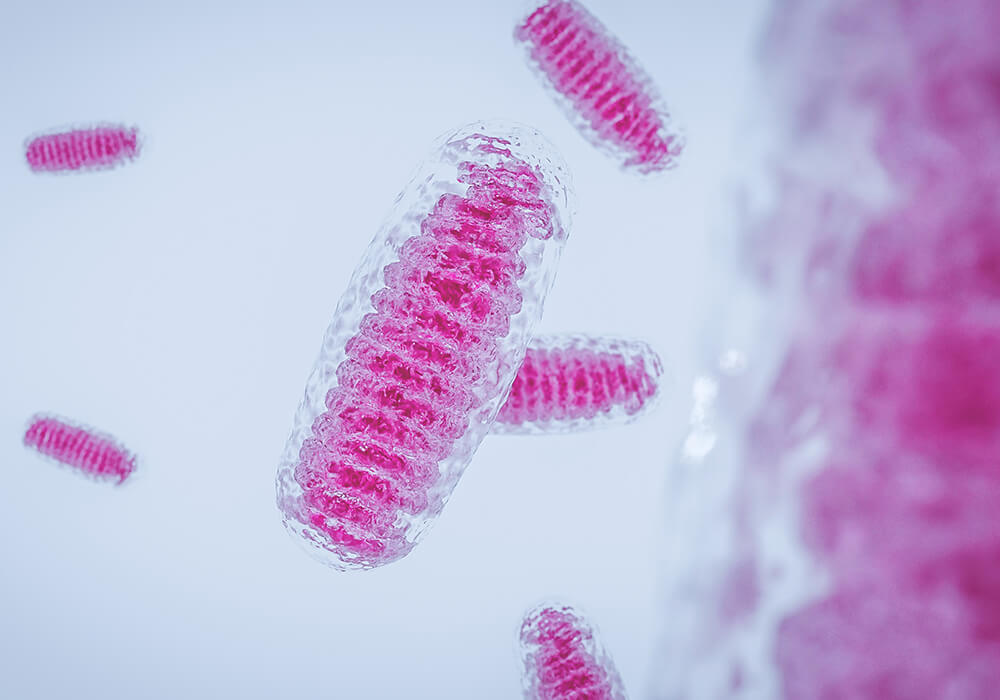
mtDNA is unique because while most of the DNA in our body is found in the nucleus of our cells, the mtDNA is found in small stuctures or organelles called “mitochondria”. Mitochondria is found in the cytoplasm of our cells, NOT in the nucleus (remember this, because it’s important when we discuss how mtDNA is inherited).
Mitochondria is important for producing energy “ATP” for our cells.
Many copies of mtDNA are found in every mitochondria and many mitochondria are present in each cell. That means that we have a lot of mtDNA in our cells compared to most other types of DNA which are present in only one set per cell. The huge abundance of mtDNA as well as its small size makes it an excellent candidate for forensic studies of old or degraded samples. Many archaeological studies of ancient DNA samples which are hundreds of years old focus on mtDNA testing.
Where do we get our mtDNA? Our mtDNA comes from our mother, and our mother got her mtDNA from her mother, and so on. The reason for the maternal inheritance pattern of mtDNA is due to its localization in the cytoplasm. When an egg is fertilized, the cells of the resulting embryo contain the cytoplasm of the egg, not the sperm. As the embryo continues to develop into a full grown human, all of the cells in the resulting human contain the cytoplasm and mtDNA of the mother.

Maternal inheritance pattern of mtDNA:
mtDNA has a very unique inheritance pattern which differs from all the other types of DNA in our body. It is passed down along the maternal line from a mother to all of her children. Males will carry the mtDNA of their mother, but when they have children, their children will carry the mtDNA of their own mother, not their father. Thus, only daughters will pass the mtDNA on to future generations.
Why does it hold ancestral information?
The maternal inheritance pattern of the mtDNA has important significance for ancestral studies. While most of the other types of DNA in our body are mixed as they are passed down from generation to generation, the mtDNA remains unmixed because it has a strict line of descent from mother to child. This means that our mtDNA is the same as our mother’s and our mother’s mother’s mtDNA from hundreds, even thousands of generations ago. By testing our own mtDNA, we are in fact able to indirectly read the mtDNA genetic code of our own maternal ancestors from thousands of generations ago.
This is a brief overview of mtDNA. In Part II, we will take a closer look at the mtDNA.